New challenges in the wake of unprecedented economic recession
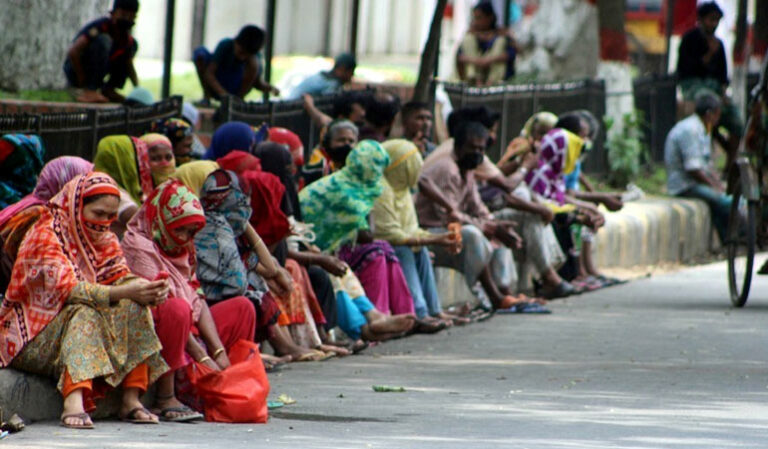
South Asian growth is in the face of an unprecedented economic recession challenge.
Incidents like Sri Lanka's extreme economic crisis, Pakistan's delusional floods, Russian and Ukraine war impacts have put the South Asian economy at risk.
The problem of not being able to overcome the impact of Covid-19 is also being said by the World Bank.
On Thursday (October 6), the organization published a report titled ‘Copping Youth Conch Migration and the Roads to Resilience’, saying that the growth of the South Asian in the current year will be 5.8 percent, which was 7.8 percent last year.
The World Bank is saying that all the countries in the region are facing economic recession, which is rising globally inflation and fuel prices.
Some are trying to get over the recession.
The company says that this year, the inflation will be 9.2 percent, while poor people will have to spend a large portion of food for their food.
According to the report, these countries should simplify immigration policy, reduce visa costs, work harder technology in the technology of workers.
At the end of the current financial year, the economic growth of Bangladesh may be 6.1 percent.
The World Bank has done this project in the South Asian Economic Report, which will increase the growth of South Asia by 5.8 percent.
The World Bank Vice President Martin Ryzer said, "After the Coronavirus, the Ukraine war has led to uncertainty in the economy, which will have an impact on growth and growth.
In the original article, World Bank's South Asian Chief Economist Hans Timmer said, the increase in the price of food products is the most dangerous poison.
He also commented that the trade infestation has been created due to the increase in the price of food products and the price of fuel oil, but Hans Timmer also feels that the service sector is raising hopes.